

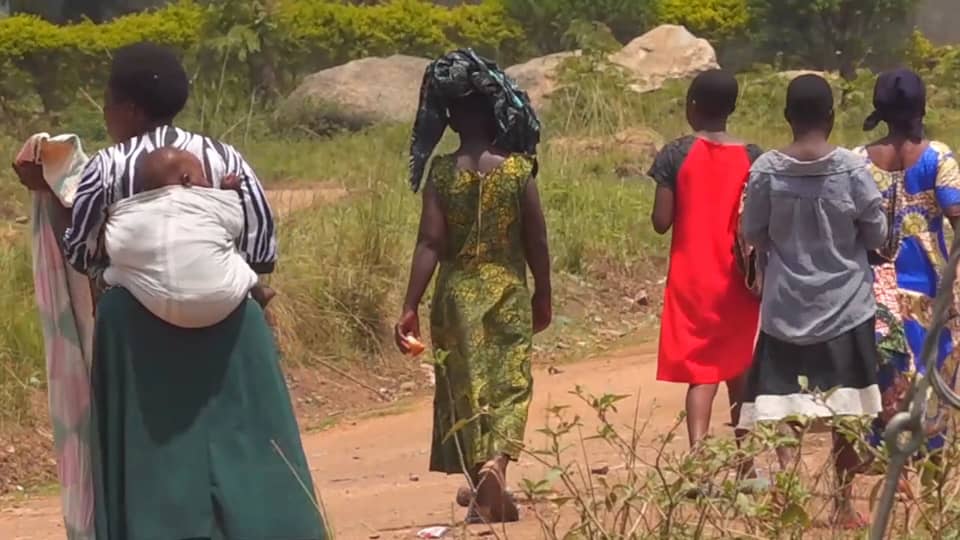
In the dusty villages, small trading centres, and sprawling refugee settlements of Western Uganda, young girls wake before dawn, not to the chirping of birds or the promise of a classroom, but to the relentless call of survival.
Some trek to guest houses, recreation centres, and private homes to work as maids and waitresses.
Others fold into the shadows of market stalls, selling vegetables or snacks for a few coins, while their schoolbooks sit abandoned at home.
For many, education is a luxury they cannot afford. Poverty gnaws at daily life, forcing some girls to leave school altogether.
Food insecurity leaves their stomachs—and their dreams—empty. In some households, early marriage is seen as a solution, easing the burden of another mouth to feed.
By fifteen or sixteen, some girls are already wives, shouldering responsibilities that strip away their childhoods.
Even those who persevere through secondary school face steep hurdles. Many fail to meet the academic standards necessary for higher education, stopping at Senior Six due to poverty or the inability to achieve the required principal passes in their UACE exams.
Girls from vulnerable communities in Western Uganda are missing out on university scholarships, largely because they rarely take STEM subjects and lack access to vital information on available opportunities.
According to FAWE Uganda, this leaves them at greater risk of school dropout, early marriage, and teenage pregnancy.
The dropout rate for girls in Western Uganda remains higher than for boys. Poverty, long distances to school, food insecurity, and child marriage push many into casual jobs with low pay, deepening their vulnerability and limiting their chances to complete secondary education or make informed academic choices.
“Not performing well does not mean that the student is not brilliant. Life happens,” said Dr. Monica Kanyesigye, Deputy Academic Registrar at Kabale University.
“The HEAC program has done a wonderful job equipping students who did not pass Senior Six to get back to school. FAWE Uganda scholarships are helping them achieve their dreams.”
Despite multiple scholarship schemes prioritising students with strong STEM backgrounds, many girls continue to miss out. Jenifer Kemigisha of FAWE Uganda noted, “Under the MCF program, we are supporting girls and boys who have done STEM subjects to access HEAC and TVET.
However, most girls have not taken STEM subjects and have missed this opportunity. Stakeholders should encourage young girls to pursue STEM subjects so they can benefit.”
The challenge is even more pronounced in refugee-hosting communities, where persistent food insecurity and displacement force many girls out of school. While scholarships exist for refugees, few know about them or how to apply.
“Many people don’t know which scholarships to apply for,” said Martha Akello, Program Manager at Media for Social Change.
“Limited career guidance restricts refugees to a narrow set of traditional courses. Everybody thinks it’s nursing, but there are so many options. There is little help to show us what else is available.”
Experts say early intervention is key. Stakeholders are calling for strengthened career guidance, better dissemination of scholarship information, and early encouragement for girls to pursue STEM subjects to bridge the education gap and unlock life-changing opportunities.
